If you have ever searched for the best lens material for sunglasses, you have probably run into the same debate over and over: glass vs plastic lenses. People love glass for its clarity and scratch resistance, and they love polycarbonate lenses for their impact resistance and lightweight comfort. But if you feel like both options come with frustrating tradeoffs, you are not imagining it.
Here is the good news. There is a third option that a lot of shoppers do not hear about until they start comparing premium lenses more closely: polyamide, also known as nylon. Polyamide lenses are designed to combine the best of both worlds, with a level of optical clarity closer to glass and durability closer to polycarbonate.
At The Sunglass Fix, this matters because our lens ranges are not all the same material. Our tiers are designed around performance, and polyamide is the differentiator that helps position our premium lenses as an upgrade, not just a repair. If you want to learn more about how our tiers work, this is also a great companion page to read: The Sunglass Fix quality sunglass replacement lenses page.
Glass lenses
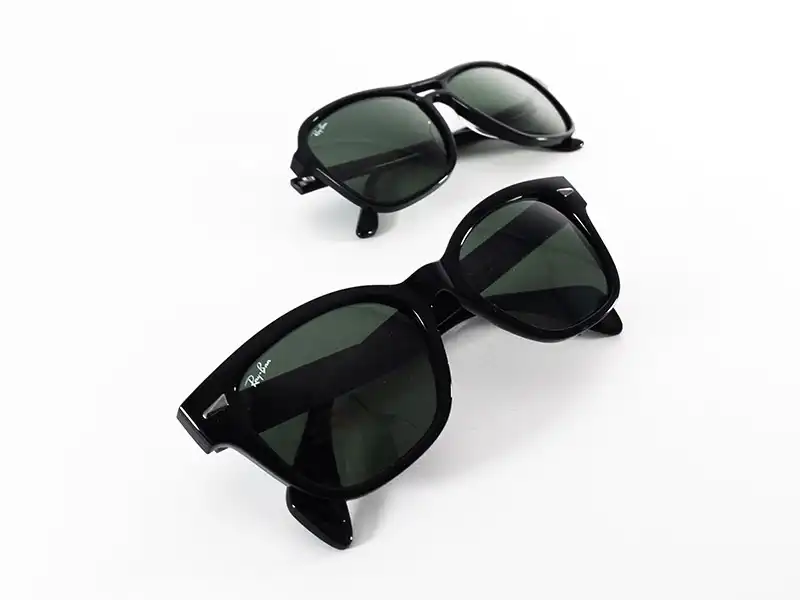
Glass lenses have long been considered the gold standard for optical clarity. Thanks to a high Abbe value, glass refracts light extremely well, producing crisp, distortion free vision that appeals to purists and casual wearers alike.
Glass is also naturally scratch resistant, often outperforming plastic materials without the need for heavy coatings. This makes glass lenses popular in fashion focused sunglasses and vintage designs where visual sharpness is the top priority.
However, glass lenses come with serious drawbacks. They are noticeably heavier than modern alternatives and offer very poor impact resistance. A dropped pair of sunglasses or a minor impact can result in cracking or shattering, which is not ideal for everyday wear or active use. For people who value safety, comfort, and durability, glass lenses can feel limiting despite their clarity.
Polycarbonate lenses
Polycarbonate lenses are the most common material used in modern sunglasses. For many people wondering “are polycarbonate lenses good?”, the short answer is yes, especially for safety focused and active use. Lightweight and extremely impact resistant, they have become the standard choice for sports eyewear, safety glasses, and children’s sunglasses.
Polycarbonate lenses are designed to handle daily wear and tear. They naturally block 100 percent of UV rays and are flexible enough to fit a wide range of frames. This makes them a practical and affordable option for many users, especially those with active lifestyles.
The main compromise with polycarbonate lenses is optical clarity. Compared to glass or polyamide, polycarbonate has a lower Abbe value, which can lead to slight visual distortion for some wearers. Polycarbonate lenses are also more prone to scratching unless reinforced with a high quality hard coating. They are reliable and safe, but not always the best choice for those seeking premium visual performance.

Polyamide lenses
Polyamide lenses, also known as nylon lenses, are made from a high performance synthetic polymer originally developed for demanding technical applications. In eyewear, polyamide is valued for its combination of optical clarity, flexibility, and impact resistance, making it a premium alternative to both glass and polycarbonate.
This material represents the next step in sunglass lens technology. It is designed to combine the best qualities of glass and polycarbonate without forcing you to choose between clarity and durability.
With an Abbe value much closer to glass than polycarbonate, polyamide lenses deliver excellent optical clarity while remaining lightweight and shatter resistant. Because the material inherently blocks 100% of UV rays, they are ideal for both everyday wear and demanding environments. Polyamide is also more flexible than glass, allowing for easier installation and a better fit across complex frame designs.
At The Sunglass Fix, polyamide is the foundation of our premium lens ranges. Our Edge & Ultra lenses are made from high grade optical polyamide, while our Diamond Bio lenses use bio based polyamide with renewable content. Both options are designed for people who want the best balance of performance, comfort, and longevity from their sunglasses.
Lens material comparison
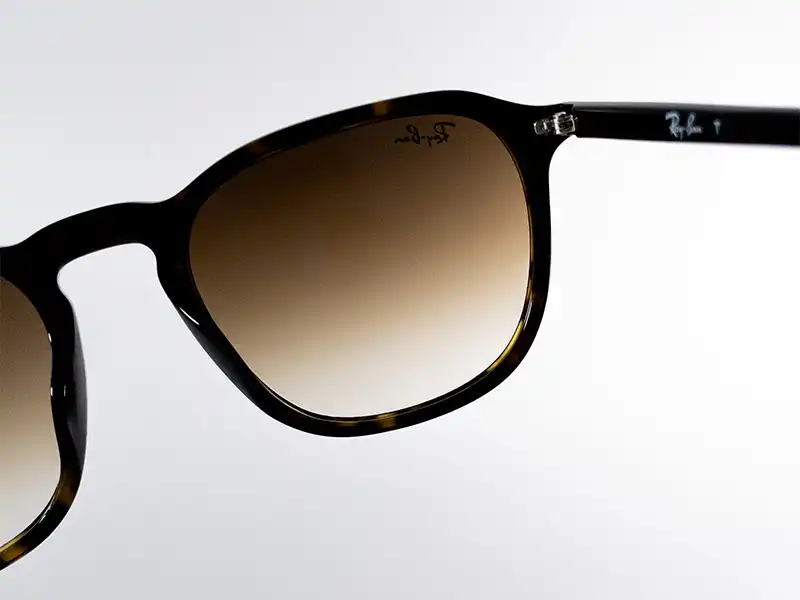
When choosing sunglasses, many people end up comparing glass vs plastic lenses or polycarbonate vs glass lenses without fully understanding what those differences mean in everyday use. Looking at how each material performs across key factors such as clarity, weight, and durability makes those tradeoffs much easier to understand.
Glass lenses deliver outstanding clarity and scratch resistance, but their weight and low impact resistance make them less practical for everyday wear. Polycarbonate lenses are lightweight and extremely impact resistant, but they trade off optical clarity and scratch resistance unless additional coatings are applied. This is why material choice plays an important role for people specifically looking for scratch resistant sunglasses that can handle daily use. Polyamide lenses sit between the two, combining high optical clarity with low weight and strong impact resistance, without the most common compromises.
The table below gives a quick overview of how the three materials compare across the key performance factors that matter most for sunglasses.
| Lens Material |
Clarity (Abbe value) |
Weight |
Impact Resistance |
Scratch Resistance |
| Glass |
~58 to 59 |
Heavy (2.54g/cm³) |
Low (Brittle) |
High |
| Polycarbonate |
~30 |
Light (1.20g/cm³) |
High |
Moderate (Requires Coating) |
| Polyamide (nylon) |
~52 |
Lightest (1.05g/cm³) |
High (Shatterproof) |
Strong (Hard-coated) |
Source: Peeq Glasses – Lens clarity and Abbe value. Material density and weight data provided by The Sunglass Fix internal testing.

Choosing the right lens material
The best lens material depends on how you use your sunglasses and what you expect from them.
If optical purity is your absolute priority and your sunglasses are worn mainly for casual use, glass lenses can still make sense, especially in the classic glass vs plastic lens debate. If safety, flexibility, and affordability are the main concerns, polycarbonate lenses remain a dependable option, especially for sports or high-impact environments.
For most people, however, polyamide offers the most complete solution. It provides clarity close to glass, impact resistance comparable to polycarbonate, and lightweight comfort that works for all-day wear. This combination makes polyamide particularly well suited for replacement lenses, where upgrading performance is just as important as restoring function.
Why lens material matters for replacement lenses
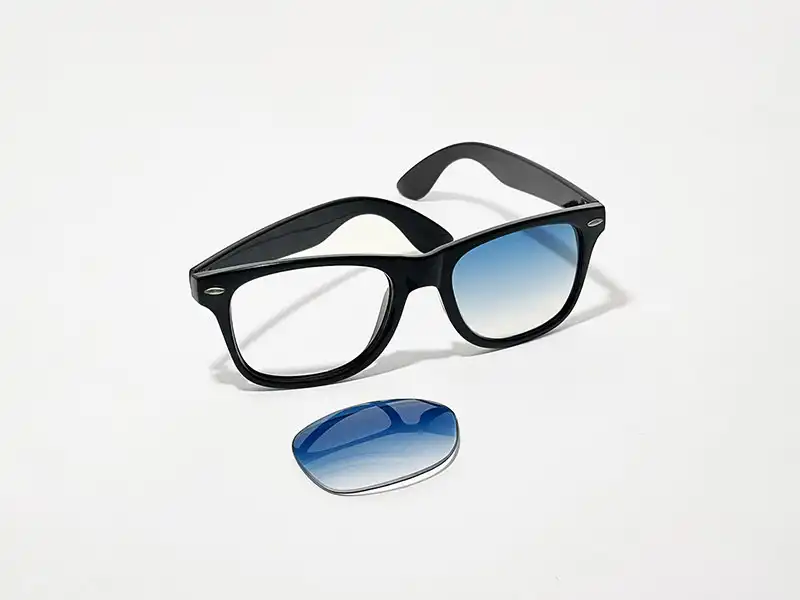
Replacing lenses is not just about fixing scratches. It is an opportunity to improve how your sunglasses perform.
High-quality frames from brands like Oakley, Ray-Ban, and other performance or designer labels are built to last for years. Lenses are usually the first component to show wear, even when the frames are still in excellent condition. Choosing a better lens material can extend the life of those frames while significantly improving clarity, comfort, and durability.
At The Sunglass Fix, our lenses are crafted from high-grade optical polyamide. While many original manufacturers and replacement brands rely on standard polycarbonate or glass, we use polyamide because it delivers the elite clarity of glass with the shatterproof strength of a polymer. Whether you are repairing a pair of vintage frames or performance sports wrap, you are getting our industry-leading material standard as the baseline.
The right material choice turns lens replacement into a long-term investment rather than a short-term fix.


